
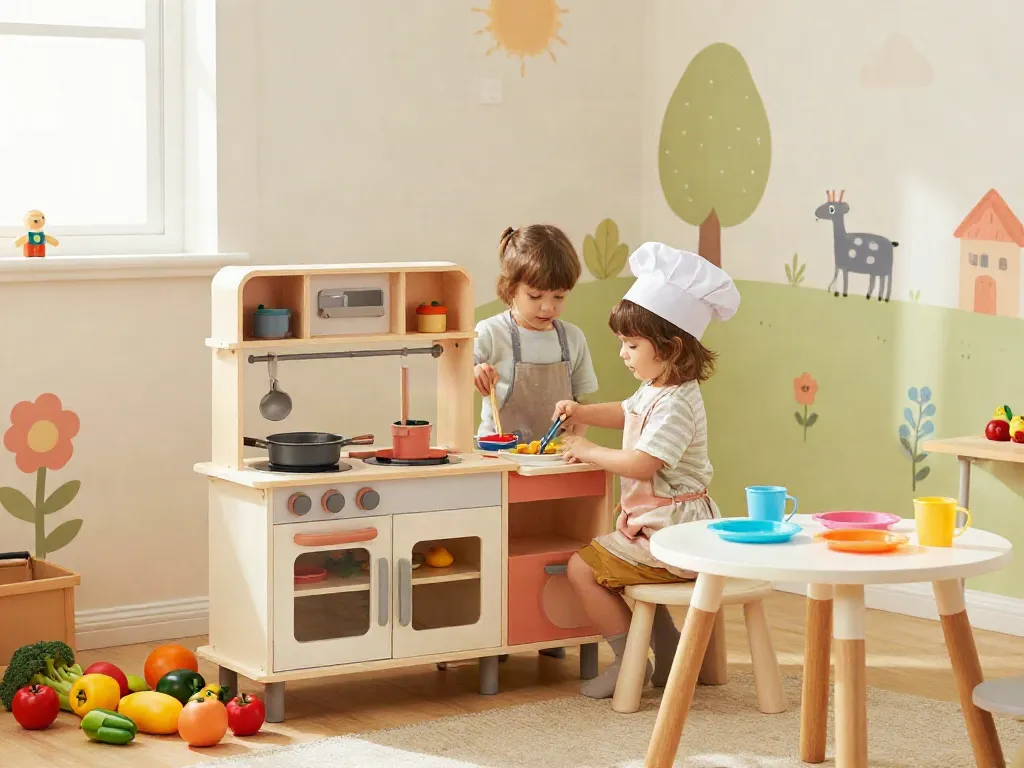
Understanding the Benefits of a Toy Kitchen
A toy kitchen is more than just a delightful plaything for children; it serves as a valuable tool that fosters various developmental skills. By engaging in pretend cooking and meal preparation, children simulate real-life experiences, enhancing their creativity, social interactions, and cognitive functions. This article delves into the numerous benefits of toy kitchens, exploring how they contribute to child development and provide an immersive play experience. If you're curious about exploring options, toy kitchen sets offer a wide variety of choices to inspire young chefs.
Why Play Kitchens Are Essential for Child Development
Play kitchens are essential in nurturing several aspects of child development. They create an environment where children can experiment with everyday tasks, leading to better understanding and familiarity with household dynamics. The ability to mimic cooking, serving, and even cleaning engages children in role-playing, which is crucial for developing problem-solving skills and independence.
Imaginary Play: Fostering Creativity and Social Skills
Imaginary play is fundamental for childhood development, as it allows kids to express their creativity freely. When children engage in pretend play with kitchens, they develop storytelling skills and enhance their vocabularies while interacting with peers. This kind of play encourages collaboration and teamwork as children often role-play various scenarios involving multiple participants.
Cognitive Growth Through Interactive Cooking Scenarios
Engaging with a toy kitchen stimulates cognitive growth by introducing concepts like measuring, counting, and even basic cooking techniques. Children learn to follow directions and sequences, which can improve their comprehension skills. Additionally, they gain an understanding of nutrition and the importance of different food groups through imaginative play, effectively setting a foundation for healthier eating habits as they grow.
Choosing the Right Toy Kitchen for Your Child
When selecting a toy kitchen, several important factors should be taken into consideration to ensure it is suitable for your child's age, space, and safety needs. Understanding the various elements can aid in making the right choice, enhancing both play experience and safety.
Considerations for Age and Safety Standards
Age appropriateness is critical when choosing a toy kitchen. Most manufacturers specify age recommendations to ensure safety during play. Additionally, it’s important to look for safety certifications that guarantee the materials used are non-toxic and free from harmful substances. Checking for sharp edges and small parts that could pose a choking hazard is also crucial.
Material Choices: Wood vs. Plastic
Choosing between wooden and plastic kitchens often comes down to personal preference and budget. Wooden kitchens are typically more durable and can have a charming aesthetic that appeals to many. On the other hand, plastic kitchens often come with features like lights and sounds, which can enhance play but may not be as long-lasting. Each material has its pros and cons, and considering how the kitchen will be used can help in making the best choice.
Matching the Kitchen Set to Your Space
Space is another important factor to consider when selecting a toy kitchen. Measure the area where the kitchen will be placed to ensure a good fit. It’s also wise to think about storage; some toy kitchens come with built-in storage solutions, which can help keep the play area organized and clutter-free.
Setting Up an Engaging Play Kitchen Space
Creating an ideal play kitchen space involves more than just placing a kitchen set in a corner. A thoughtfully arranged area can significantly enhance the play experience and encourage children to explore their creativity.
Creating a Safe and Fun Environment
Safety and comfort should be at the forefront of your setup. Ensure the area is free from hazards like sharp corners and that there is enough room for play without overcrowding. Adding non-slip mats can also help in preventing accidents during energetic play sessions.
Accessorising Your Toy Kitchen: Essential Tools and Ingredients
Enhancing the play experience can be achieved by accessorising the toy kitchen with various play food items, utensils, and cooking tools. These accessories can provide context for the cooking scenarios children create and can include everything from pots and pans to pretend food items like fruits, vegetables, and baked goods.
Incorporating Educational Elements into Play
Incorporating educational themes into play can significantly enrich the experience. For example, you can introduce basic math by having the child count ingredients or measure portions. Discussing the importance of healthy eating while playing can also instil valuable lessons about health and nutrition.
Inspiring Creative Play with a Toy Kitchen
Encouraging creative play with a toy kitchen can lead to countless hours of fun and discovery. Activities can be tailored to engage different aspects of childhood development while keeping play interactive and dynamic.
Activities to Enhance Imaginative Play
Designing themed cooking activities or ‘restaurant nights’ where children can prepare meals for family members can enhance the imaginative experience. These activities not only stimulate creativity but also provide opportunities for children to practice social skills, as they engage with their ‘customers’—often their parents or siblings.
Playing Together: Encouraging Group Play and Interaction
Encouraging group play is another vital aspect of using a toy kitchen. Collaborative cooking games can be arranged where children work together to prepare imaginary meals, fostering teamwork skills and cooperation. This interaction can be critical for developing interpersonal skills that benefit them in real-world scenarios.
Using Cooking Themes for Themed Playdates
Themed playdates can be a fun way to encourage more play with the toy kitchen. For instance, hosting a ‘pizza party’ or ‘baking day’ can create excitement and interest, and can also be tailored to large or small groups. Such themes promote community and shared experiences among children.
Future Trends in Toy Kitchens for 2026 and Beyond
As we look ahead to 2026 and beyond, the world of toy kitchens is set to evolve with new trends that reflect changing consumer preferences and advancements in technology. Keeping an eye on these patterns can help parents select the best products for their children.
Tech-Enhanced Kitchen Sets: What to Expect
With the rapid advancement of technology, it is likely that more toy kitchens will come equipped with interactive features. From app connectivity to augmented reality experiences, these enhancements could offer interactive cooking lessons and games, making playtime even more educational and fun.
Sustainable Materials and Eco-Friendly Trends
As more consumers become environmentally conscious, the demand for sustainable toys is on the rise. Expect to see toy kitchens made from recycled materials and those that promote eco-friendly practices, such as solar-powered features or biodegradable parts.
Personalisation: Customising Play Experiences
Future toy kitchens may also focus on personalisation, allowing children to customise their space with stickers, colours, and unique accessories. This could create a deeper sense of ownership and creativity as they design their own ideal cooking space.
What Makes a Toy Kitchen Safe and Fun?
Safety features are paramount when it comes to toy kitchens. Ideal kitchens should meet stringent safety guidelines and be designed with rounded edges, sturdy construction, and non-toxic materials. A fun kitchen environment encourages children to explore without fear of injury.
How to Maintain and Care for Your Toy Kitchen?
Maintaining a toy kitchen involves regular cleaning and checking for any loose parts or damages. Ensuring that accessories are also kept clean will prolong the life of the toy and keep it safe for children to use.
What Accessories Should I Buy for a Toy Kitchen?
Essential accessories to consider include realistic food items, cooking utensils, chef hats, and aprons. These additions can enhance the play experience, encouraging children to engage more with their toy kitchen.
At What Age Should I Introduce a Toy Kitchen?
While children can engage with toy kitchens from a young age, around two to three years old is often an ideal starting point. At this age, they begin to understand role play and are physically capable of handling kitchen items.
How Can a Toy Kitchen Aid Social Skill Development?
Using a toy kitchen can significantly aid in developing social skills, as children learn to interact, share, and cooperate with friends and family members during play. This interaction fosters communication skills and empathy as they navigate social scenarios through role play.
What Are the Best Brands of Toy Kitchens Available?
There are several reputable brands known for producing high-quality toy kitchens, including Melissa & Doug, KidKraft, and Little Tikes. Each brand offers a range of styles and features, catering to different needs and preferences in play kitchens.